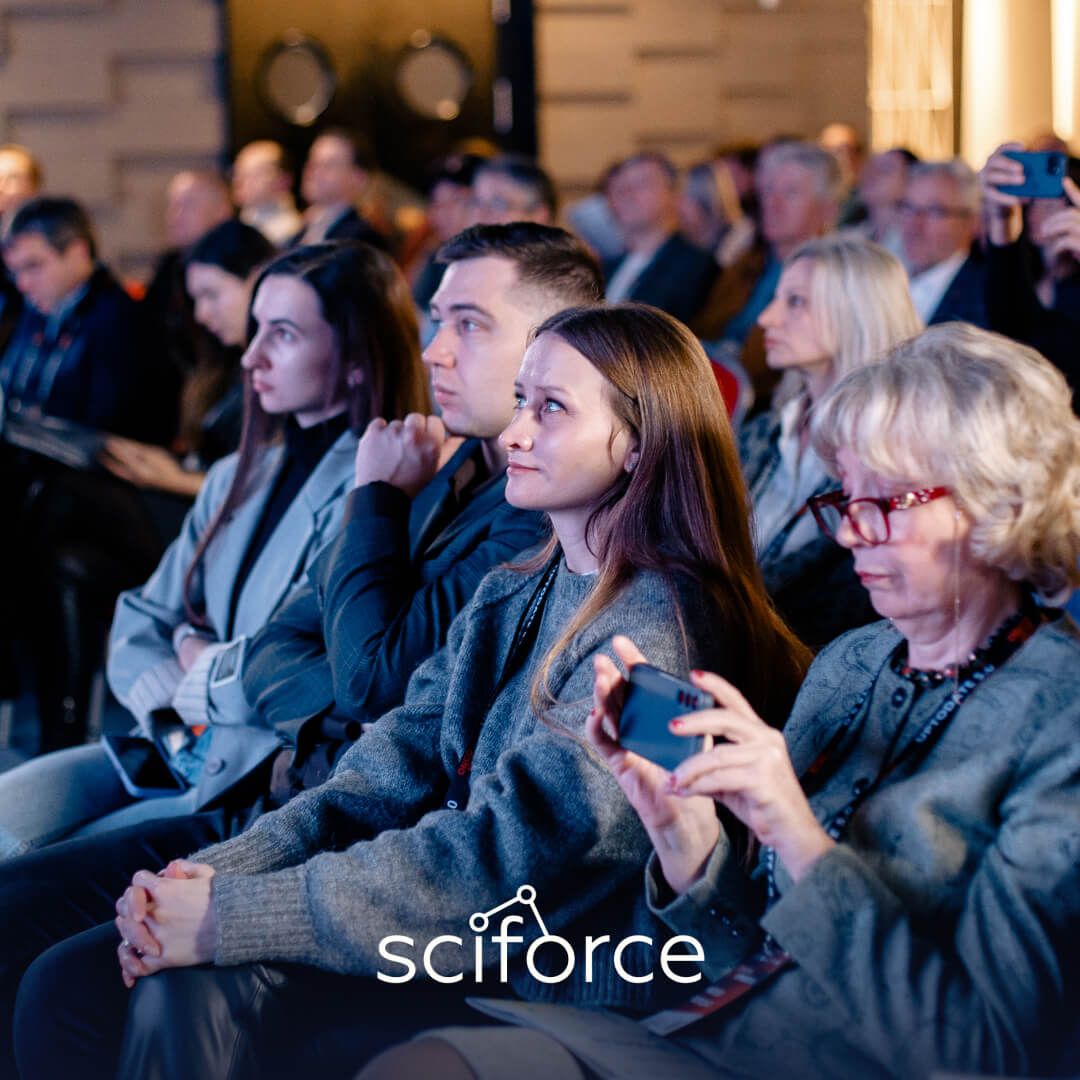
The SciForce Medical team recently attended a major oncology conference in Ukraine. The two-day event in Kyiv brought together over 2,000 experts, including doctors, researchers, and industry leaders. It provided a great chance to learn about the latest advancements in cancer care and connect with potential partners.
Find out more with SciForce free mini guide
The conference had a busy schedule of sessions, workshops, and presentations on topics like cancer diagnostics,advanced treatments, and personalized care. Since we couldn’t attend everything, we focused on key discussions about AI in oncology, new therapies and personalized care. A highlight of the conference was the opportunity to hear from thought leaders at the Ukrainian National Cancer Institute, CDS Medical Laboratory, and other industry experts, who shared groundbreaking insights into precision medicine, innovative diagnostics, and advanced therapeutic strategies shaping the future of oncology care.
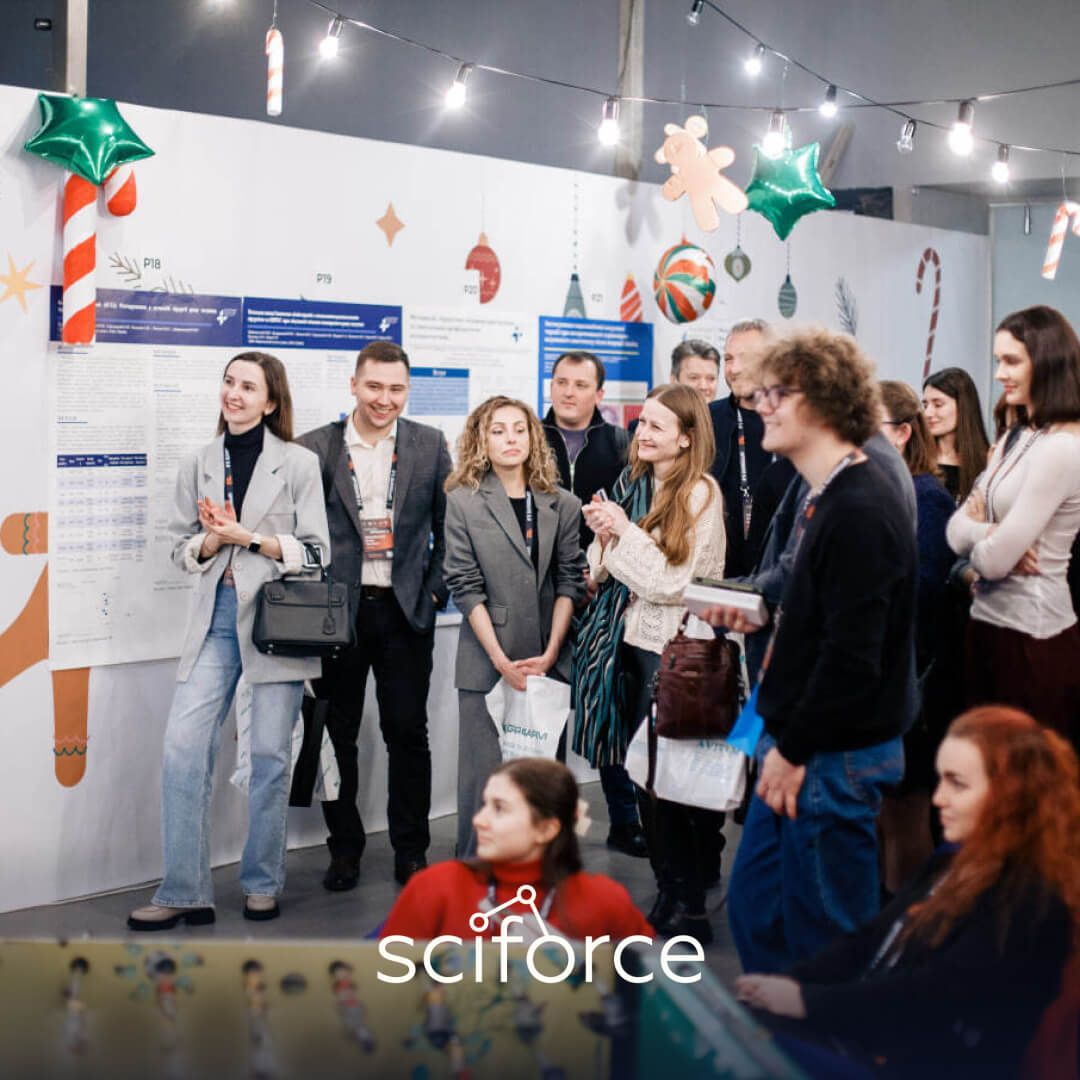
Our team, led by Polina Talapova, also connected with experts from pharmaceutical companies, clinical research organizations, and healthcare tech firms. We shared SciForce’s AI-driven oncology solutions and built connections for future collaborations.
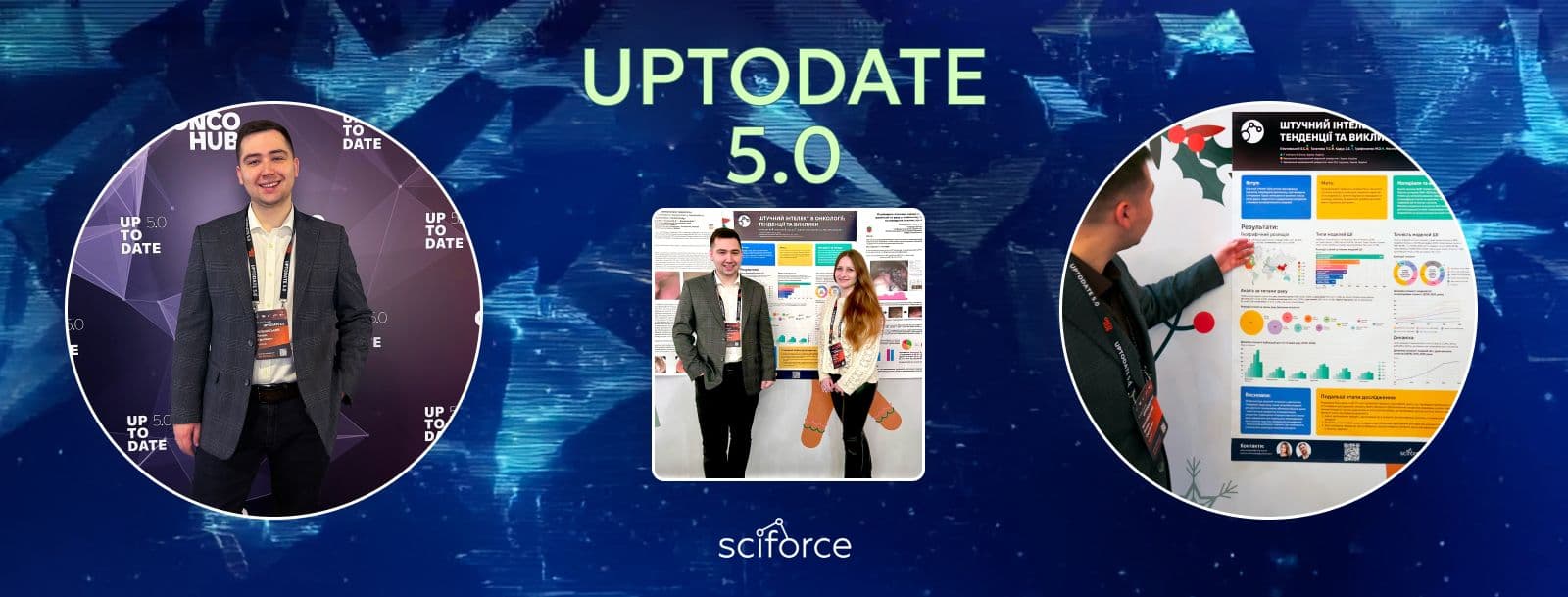
One of SciForce’s key moments was presenting our poster, “Artificial Intelligence in Oncology: Trends and Challenges.” We focused on assessing the effectiveness of modern AI models in oncology, identifying implementation barriers, and outlining promising areas for future research. For a broader look at how AI is transforming cancer care, see our oncology article series: part 1 and part 2.
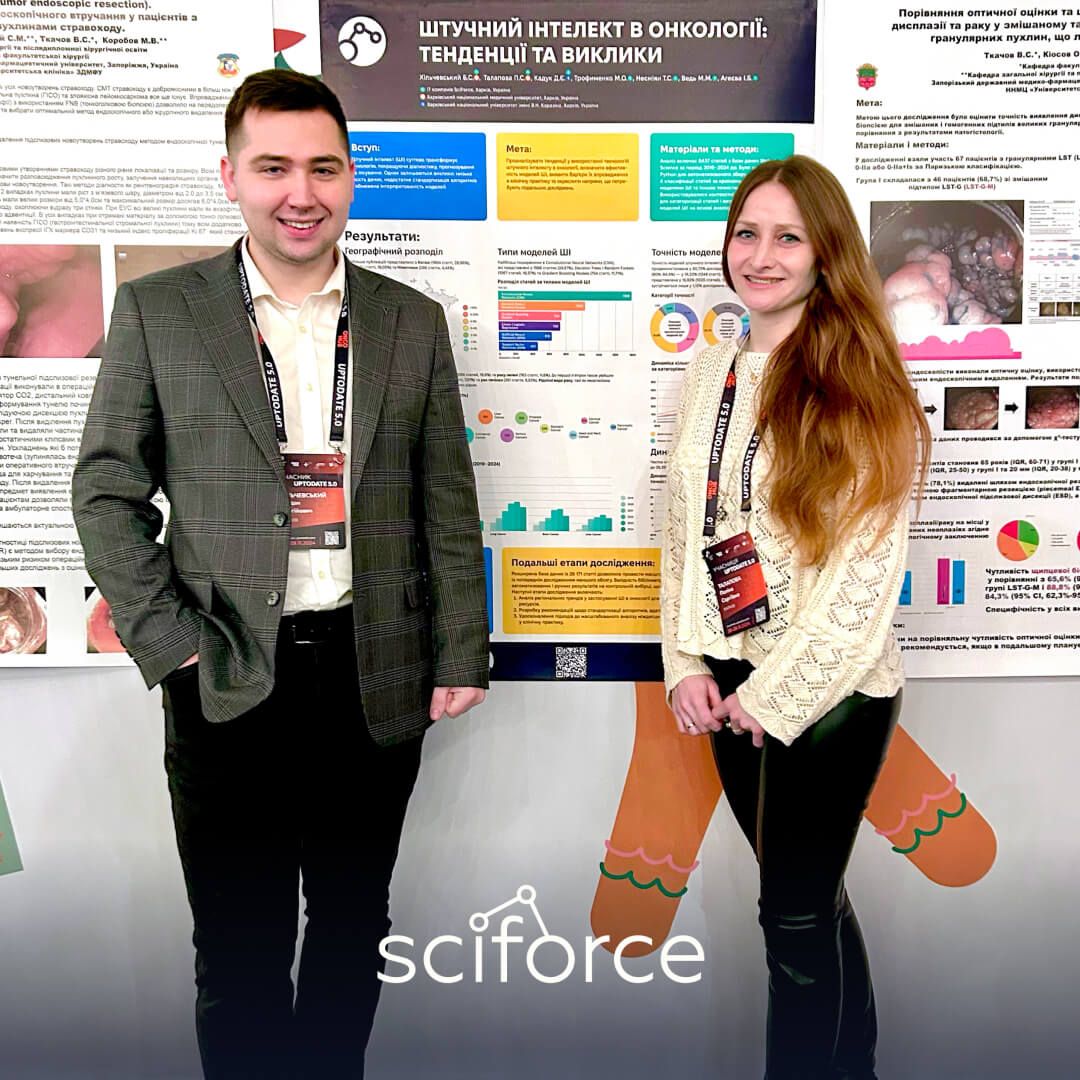
The study included an analysis of 6,466 articles from the Web of Science database (2019–2024). Using Python, we categorized the articles by cancer types, AI models, and accuracy metrics. To ensure high-quality analysis, we focused on publications from journals with significant impact factors.
To handle this vast dataset, we implemented a robust and scalable methodology:
Preprocessing and Standardization:
Texts were cleaned and standardized using spaCy for natural language processing, ensuring consistency across datasets.
Classification:
Key cancer types and AI models were identified through a keyword-matching algorithm, while accuracy levels were extracted using custom scripts and regular expressions.
Data Organization:
Results were exported into Excel for further analysis, enabling us to draw clear conclusions on global trends.
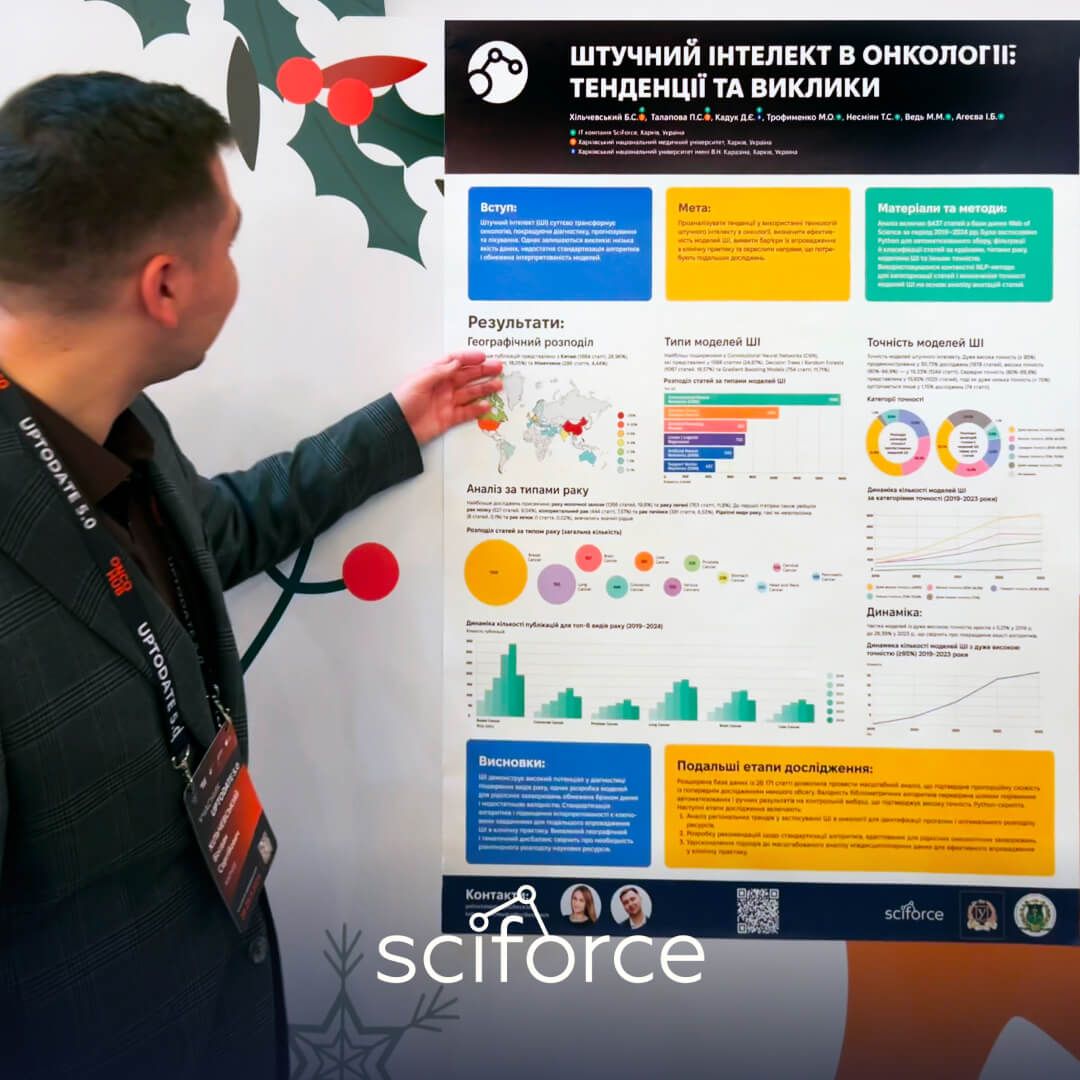
The full results are being finalized and will be published soon in a scientific journal. Our presentation sparked engaging discussions, and we look forward to sharing insights.
At the conference, several fascinating presentations focused on new cancer treatments, but we identified CAR-T therapy as the most promising. This innovative method modifies a patient’s T-cells to better fight cancer. So far, CAR-T therapy has demonstrated remarkable effectiveness in treating blood cancers such as leukemia and lymphoma. However, we believe this cutting-edge technology holds potential for combating solid tumors in the future. Dare we say it, the inventor of CAR-T therapy might just be the next Nobel Prize laureate in Medicine. Place your bets, everyone! However, the challenges associated with CAR-T therapy were also highlighted, including its high costs, complicated production, and potential side effects. Despite these issues, CAR-T is a major breakthrough in personalized cancer care and fits well with SciForce’s vision on using advanced technologies in oncology.
One of the most memorable moments of the conference was the presentation conducted by Ukraine’s leading oncourologist about unique kidney cancer surgery. Held in a cinema-like setting, the presentation contained video interviews with the patient and the medical team.
The patient, who served in the Armed Forces of Ukraine during the full-scale war, faced significant delays in treatment due to difficult circumstances. By the time surgery was possible, standard approaches carried serious risks. The presenter and his team performed a complex tumor extraction, successfully preserving both the kidney and the patient’s life.
The story moved everyone, showing the exceptional skill of the surgical team and the patient’s resilience. It left a strong impression, underlining the profound impact of personalized medicine on individual lives.
The conference offered profound insights into the current and future state of oncology, particularly in the context of AI and emerging therapies. Key takeaways included:
AI is Revolutionizing Oncology:
Artificial intelligence is becoming integral to oncology, improving the accuracy of diagnoses, optimizing treatment strategies, and enabling predictive analytics. SciForce’s focus on AI aligns seamlessly with these trends.
Emerging Therapies are Paving New Paths:
Innovations like CAR-T therapy and precision surgery are setting new standards for cancer treatment, offering hope for patients with complex cases.
Collaboration is Essential for Progress:
The importance of multidisciplinary collaboration was a recurring theme, highlighting the need for partnerships between AI developers, clinicians, and researchers to overcome implementation challenges.
Looking ahead, we plan to expand our research, focusing on improving data quality and addressing the needs of rare cancer treatments. Our latest findings from the meta-analysis are set tobe published soon.
The conference confirmed we are moving in the right direction and motivated us to explore new possibilities in oncology innovation. We are excited to share more updates as we progress.